A year of pictures -#Dogwood52

I first came across the #Dogwood52 photography challenge via Bob Foyers and Framlingham Camera Club, I’m not a member as their meeting dates clash with something else I do but I am on their circulation list, well worth it for anyone interested.

The basic idea is a list, each week has a theme Portrait, Landscape, Artistic but with some additional details. It is not a competition, the challenge is personal, to try and encourage you to ‘up your game’ photographically. I’m loving it, it has certainly encouraged me to read the books, look at some websites and take photographs I would never have attempted before, and that’s just after one month. So I thought I would post each month here, along with some of the didn’t make the cut options to remind me of the journey.

The first picture was a Portrait- Selfie, first time I’ve used the timer on the phone for a selfie. Next a traditional landscape, so I was up photographing the castle in Framlingham at the crack of dawn – first time I’ve processed a picture to this extent, normally a bit of cropping and enhancement suffices, this was much more deliberate. Then came Artistic- Red, I became highly sidetracked by this. My final posting wasn’t as extreme as some of my ideas, so below a collage of some of those that didn’t make it, I’m not convinced I made the right choice. The idea was the play on red and read, focusing on the books.


Next came Portrait – headshot, this meant asking someone if they would let me take a portrait picture. My friend and neighbour Lorette was kind enough to model for me, she is an artist (the lovely Chinese book above is one of hers) and is just completing a new studio workshop, so I shot her there in natural light, it was a grey day and the light was fading fast, but I hope I captured her curiosity.

The latest picture had to be a black and white landscape. I really wanted to catch Maggi Hambling’s Scallop at dawn. I was there but dawn was not forthcoming, on a windswept, heavily overcast morning my choices were limited. In the end I posted the most classic shot, as an international challenge it takes the least explanation. I am quite fond of the one taken from under the Scallop, but unless you know the sculpture it is difficult to explain what is going on. The sculpture is a Marmite, but I love it!
Next month starts with Artistic – Candy… still thinking about that, any thoughts?

So long into the matchbox…

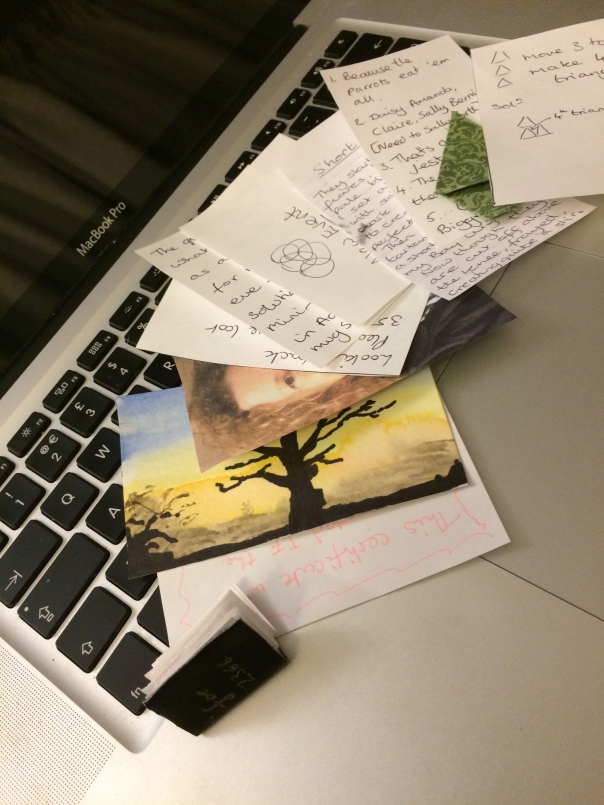
Time to pack up, the 12 days of Christmas are at an end and everything needs to be packed away. The final part is a note book to the future, leather bound for 2366 [This was my inspiration it being 250 years since Pepys’ diary and I have a grudge against him due to his wife and Suffolk Cheese – its a long story, I’ll share it with you in the Telling Room sometime]. If you are still in the plot then now is the time to pack things away. Just like that, into the Christmas decorations box, if you find it next year, I wonder if you will remember what you packed into it….
On the Janathon front.. yesterday I went to aquarobics at Framlingham College, great fun and well worth it, asleep by 9.00pm but not in bed until 10.00pm! today, less good a solo dog walk but I will be back on track tomorrow. The reading challenge is going well, but still very grey…
Steps?

It was all going to go a bit Pete Tong at some point I guess. I was in town much longer than I expected, so my exercise was walking from the garage around town and back again, about 13,000 steps is all I can claim to Janathon.
My own entry for the ‘landscape in a matchbox’ is also somewhat hurried, more of a tribute to the old tree than an actual picture. So much for Day 10 of the 12 DoC. For day 11 design yourself a certificate, also to fit in the box, something you will reward your self with come Christmas day 2016, if you have achieved it.
Nearly there!
Selfie – The Telling Room – Day 10
This should really be over on my cheese and foraging blog as it is the first most people will have seen of my Telling Room. A room for all my cheese and foraging studies. It is also my final selfie choice for the 52 photos challenge, I’m pleased to see a few of you have joined the challenge. It is going to be quite a ride, such a huge range of photographers from all over the globe, quite exciting.
For my 3rd day of Janathon I decided to take the bike out, in the window before the weather once more reverted to heavy rain. A nice little ride out across the various greens in bow and arrow country, 12.2Km in 43 minutes. I then shifted the chicken run, I’m not sure fighting with chicken wire counts towards the Janathon totals, but it should. I even constructed a beautiful Taranaki gate to close it.
For the few bodies still in the 12 days of Christmas matchbox challenge, today think landscape. Cut your paper as before to fill the tray of the matchbox and create a miniature landscape picture.
Day 9 – Leaping!
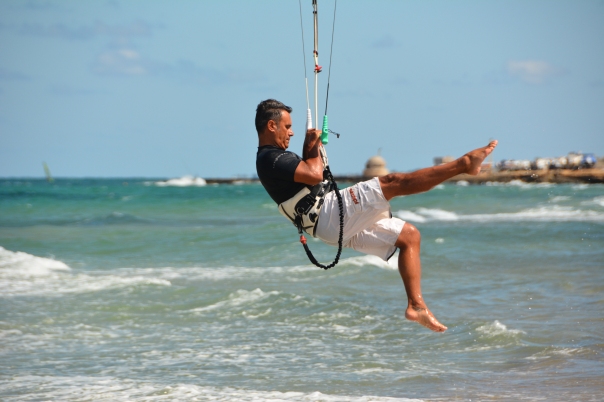
9th day of Christmas, 2nd day of Janathon, pouring with rain and wishing I was in the sunshine watching Puglian lords aleaping. Having run for Janathon yesterday, today I decided to do a little 30 day shred, I have it on DVD but for those with the bandwidth here is a youtube.
As for the 9th day of Christmas and to link with the themes in a photo challenge I have just discovered, today (or tomorrow if you are in catchup) take a selfie, print it off to no bigger than your matchbox – up to you if you share it or not.
Day 8 – Janus
 At this time of year it is traditional to look backwards and forwards. After a fabulous New Year celebration with friends I have been exercising and de -cluttering. I am now using the 10K app, I just looked back to last year I was running about 2 miles in January, today I did 9.66km that’s 5.66 miles I cut nearly 4 minutes of my PB toady – but the previous one included photographing fungi. I also managed some ironing steps and a dog walk. I have a lot to thank Easy Loss (35lb lighter) and Janathon ( I denied that I was a runner) for.
This year I am looking forward to continuing with the above and adding in the Bookashelf Challenge, I’ve started with Cormac McCarthy’s The Road. I have also agreed to attempt to publish the Onion Cats with Debbie, first I need to write up the second set of stories, guests at the villas in Puglia seem to like them, so that is a spur to action! For the 8th #DoC What are your looks back and forwards on the cusp of 2016?
Thanks for the recipe ideas by the way, in the end I did fish pie in individual Adnams enamel mugs. How did you all get on being swans yesterday?
Day 6 – oeufff!
Tis the sixth day and I’m abandoning the matchbox and asking for help! I’m offering the Minions as a bribe.. they look a little it like eggs.
I need a recipe, for a foolproof (I have to make it) starter for eight people. Something that can be made in advance and served at someone else’s house. The main course is going to be beef so not too meat orientated would be good and needs to be something that can be made with ingredients from the local shop ie good butchers, deli and a fairly standard co-op.
The challenge is on…
Day 5 – Olympics or bust!

Day 5 of the 12 days of Christmas, I have attempted days 3 and 4, keeping things down to the size of the match box tray is quite challenging. At first I wanted to make a star of gratitude but as beautiful as they looked, it was just too difficult to create with a small pice of paper; I settled for a Christmas tree instead, not terribly happy with this as its a bit too simple.
My short story is:….
They started out as flares, bell bottoms, pale blue denim. I set about them with scissors, inserting dark purple triangles to create the perfect 28″ loon pant.
The I succumbed to tartan inserts and a shorter leg to match my Bay City crushes.
Now though they are cut off above the knee, frayed and creating quite a stir!
So for Day 5 something to ponder… what event do you think is sorely missing from the Olympic Games? Not a trick question, I’m interested in what you’d like to see there.
Days 3 and 4

Sorry for the delay – I was in the library, working. Today two challenges: – for both you will need to cut paper to fit the base of the tray of your matchbox. For day 3, a little origami, can you create an origami model using your paper (you may cut it to a square if that helps, my first effort has proved far to ambitious, so I’m trying again). The second it to write a very short story, you may use both sides of the page, but no more. Usual rules, post on your own page and say done either over on Facebook or here. The playlist, again collaborative is here – had to include Paperback Writer to celebrate the inclusion of the Beatles on Spotify.
The Second Day of Christmas
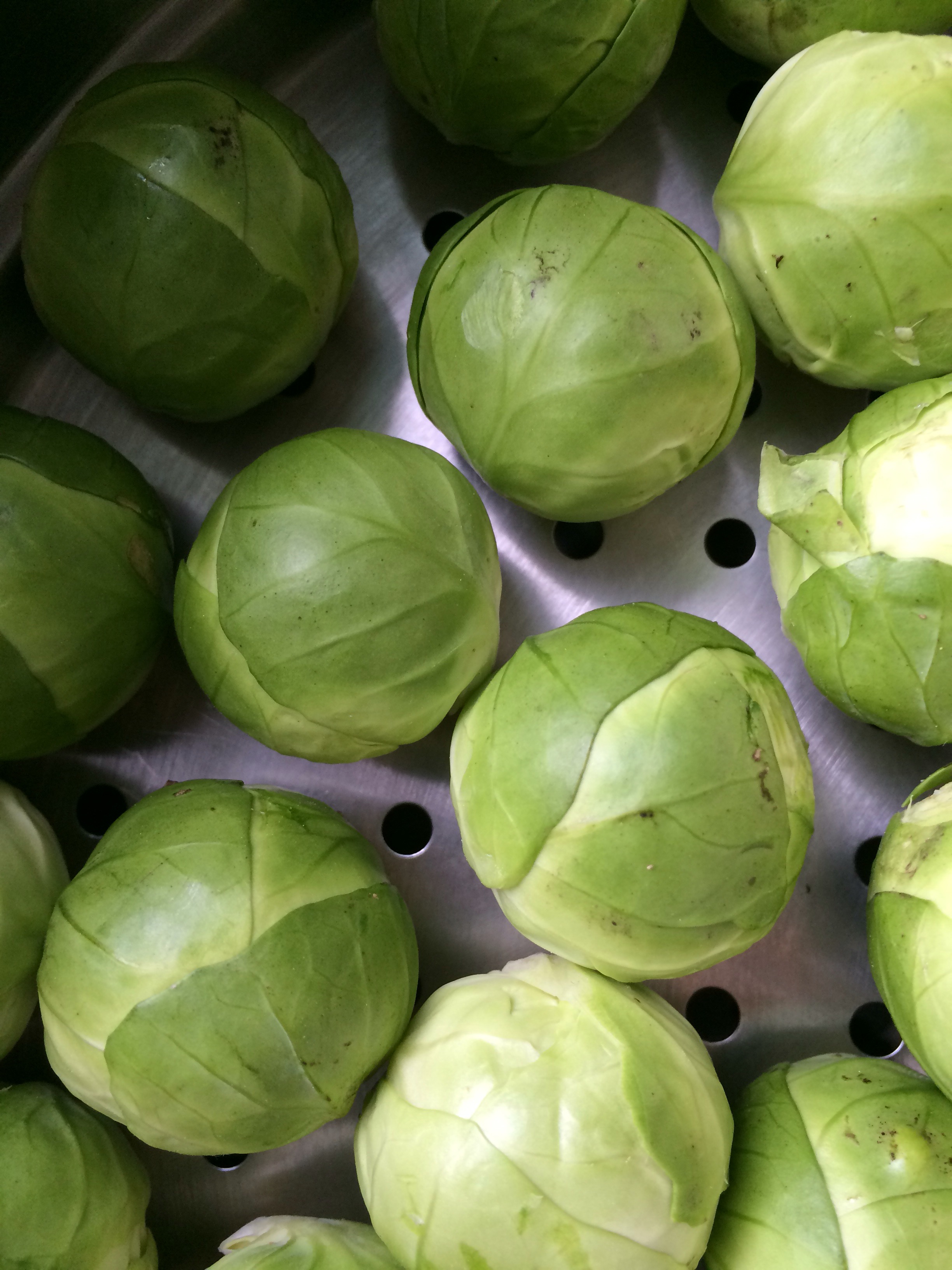
Boxing day traditionally is the day for quizzes. For today’s challenge, you will need to cut a piece of paper to fit inside the tray of your matchbox, this is your answer sheet. Your music to listen to whilst solving the problems is HERE, again it is collaborative so feel free to add more tunes.
Here are your questions – on your answer sheet just write the question number and the answer…
- Why is there no aspirin in the jungle?
- Five children, Daisy, Sally, Amanda, Claire and Bernice go for a walk – what order do they leave in?
- What do you say to a clown who holds open a door for you?
- Why aren’t koalas actual bears?
- …… now you provide me with your best pun question here…
Just photograph and post your solution on your own blog/twitter/Facebook etc, write ‘Done’ in the comments here and provide a link.
Have a great Boxing Day – see you tomorrow for day 3…



 Grethic's Grethicia